Architecting for Scale: A Deep Dive into Mento’s Technical Transformation
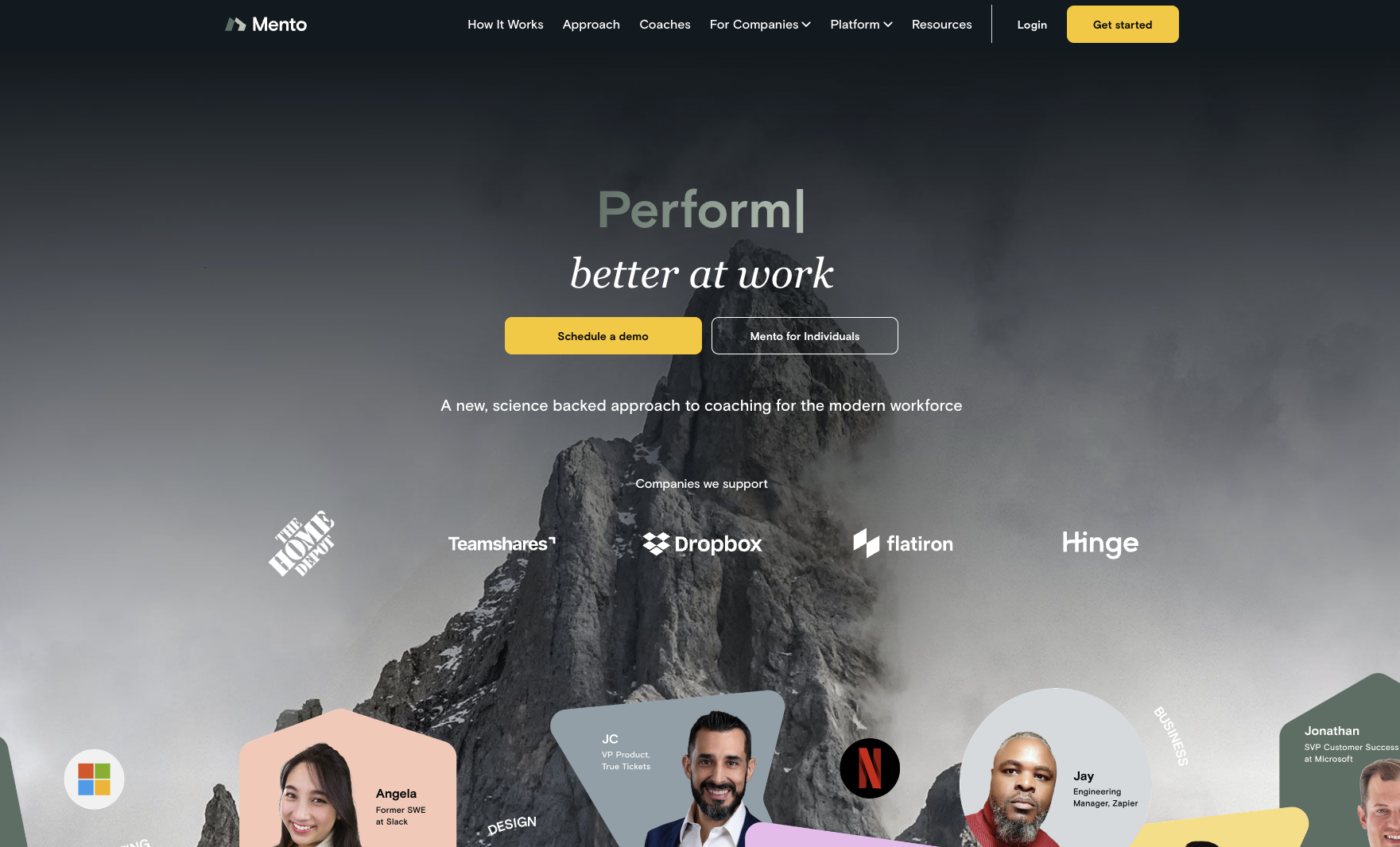
Transitioning a startup from a high-growth prototype to a stable, Series A-ready platform is rarely a linear path. It requires a fundamental shift from "building fast" to "building for scale." During my time as a Senior Full-Stack and DevOps Engineer at Mento, I had the opportunity to lead a series of high-stakes architectural overhauls designed to eliminate technical debt, optimize performance, and drastically reduce operational overhead.
My mission was clear: modernize the frontend, stabilize the backend, and take full ownership of an infrastructure that was becoming increasingly costly and opaque. Here is a breakdown of the strategic decisions and engineering challenges that defined this transformation.
Phase 1: Refining the Frontend Engine
The existing Next.js setup, while effective for initial SEO and routing, had become a bottleneck for our development velocity. To regain granular control over the build process and application state, I spearheaded the complete rewrite of two flagship web applications from Next.js to a more streamlined React.js and TypeScript architecture.
By adopting Vite as our build tool, we achieved a more performant development environment with significantly faster Hot Module Replacement (HMR). To solve the problem of visual inconsistency, I collaborated with our design team to implement a standardized component design system using MUI (Material-UI) and Tailwind CSS.
- The Outcome: We achieved a unified UI/UX across the platform, allowing us to deploy new features with a "plug-and-play" consistency that saved dozens of hours in frontend QA.
Phase 2: DevOps Sovereignty and Infrastructure Optimization
One of the most impactful segments of my tenure involved a high-stakes migration. Our infrastructure was hosted on Vercel, which provided ease of use but lacked the cost-efficiency and customizability needed for our scaling needs.
I orchestrated the migration of our entire environment to DigitalOcean. This was not merely a lift-and-shift; it was a total reimagining of our delivery pipeline:
- Custom CI/CD: I engineered a robust pipeline using GitHub Actions, tailored specifically to our Ruby on Rails and React stack. This streamlined our release cycles, resulting in a 100% increase in deployment efficiency.
- Security & Visibility: I implemented a Bastion VPS to secure production access. This provided our team with a hardened, centralized gateway for SSH, ensuring that we maintained high visibility into our production environment without compromising on security protocols.
The Impact: These changes led to a 50% reduction in monthly cloud expenditures and a 200% improvement in deployment speeds, directly impacting the company’s bottom line and engineering agility.
Phase 3: Enhancing System Performance and Product Value
A platform’s value is only as strong as its core functionality. To move Mento beyond simple CRUD operations, I focused on three key technical innovations:
- ML-Driven Client Matching: I developed a prototype for a recommendation system using Machine Learning algorithms. By automating the matching process between clients and coaches, we significantly optimized the "time-to-match," which was a primary driver for client satisfaction.
- Asynchronous Reliability: I implemented a Sidekiq job system running on RedisDB. This handled mission-critical background tasks—such as automated email notifications and real-time Cometchat data synchronization—ensuring the main application thread remained responsive and high-performing.
- Real-Time Engagement: To deepen the value proposition for our users, I integrated Dolby.io APIs to build a custom video conferencing component. This moved our user engagement directly onto the platform, providing a seamless, integrated experience for coaches and clients.
The Result: A Foundation for Series A Funding
Technical decisions should always support business milestones. One of my most critical contributions was the unification of our user data model. By migrating to a consolidated user-role structure, I simplified a complex backend architecture that had previously hindered feature development.
This structural integrity was pivotal. It provided the technical foundation necessary to launch the features that eventually helped Mento secure its Series A funding, proving that sound engineering is a prerequisite for successful scaling.
Reflections on Growth
The projects at Mento were a masterclass in balancing innovation with operational efficiency. Whether it was reclaiming 50% of the cloud budget or architecting a more secure production environment, the focus was always on creating a resilient system that could withstand the pressures of a growing user base.
I’m incredibly proud of the work we did to turn a fragmented startup stack into a professional, high-performance ecosystem.
I’m always open to discussing full-stack architecture, DevOps strategies, or the nuances of Ruby on Rails and React. Feel free to reach out—I’d love to hear about the technical challenges you’re currently solving.