My Journey Engineering a Custom Blockchain in Go
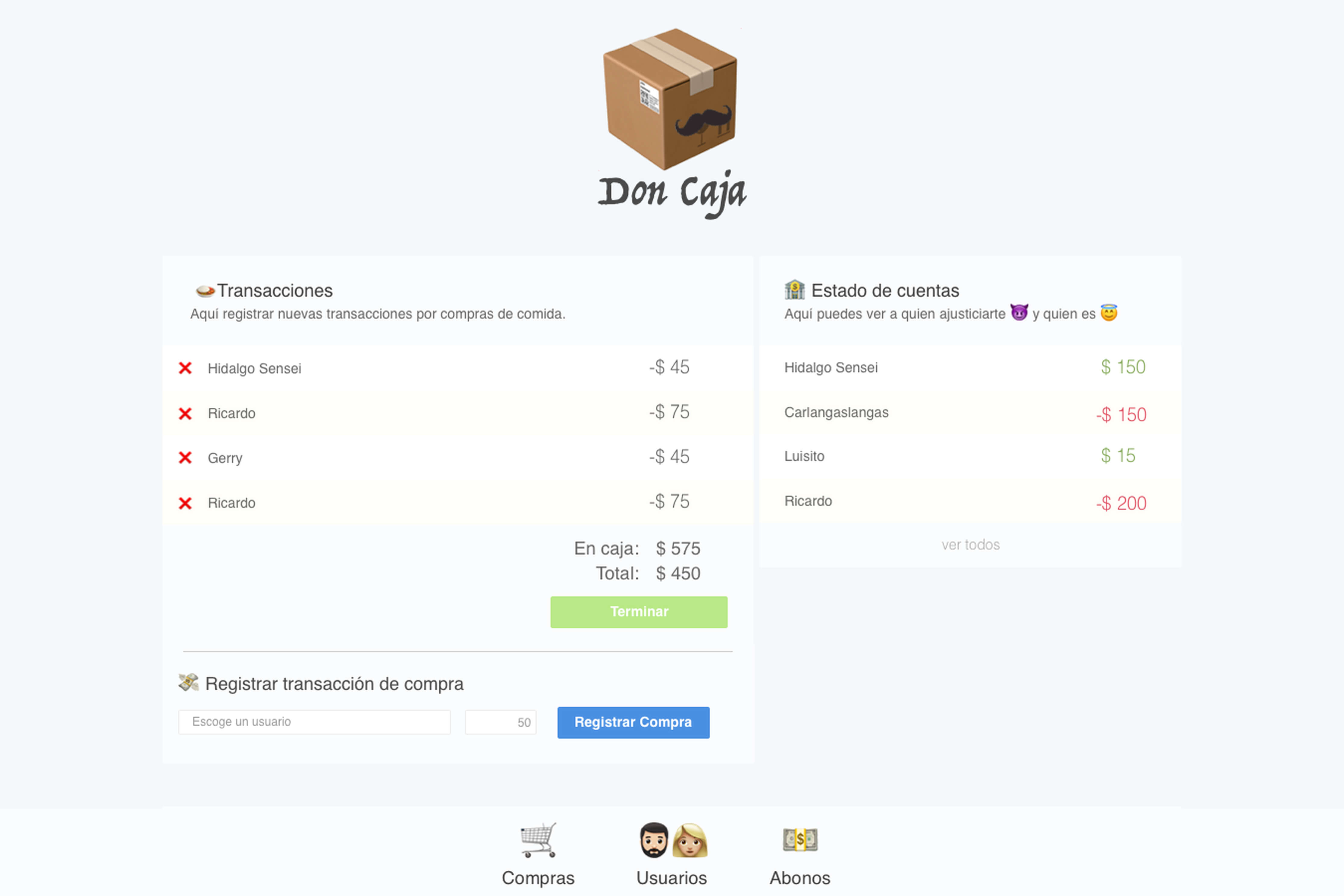
In the tech world, it’s easy to use abstractions without fully understanding the machinery beneath them. To truly master a concept, I believe you have to build it from the ground up.
I decided to replace our office's manual "lunch fund" spreadsheet with a bespoke blockchain application. While a simple database would have sufficed, my goal was to gain a hands-on understanding of cryptographic ledgers, data persistence, and the Go programming language.
The Architecture: Building the Ledger
Designing Don Caja required me to think deeply about how data is structured and verified. I didn't reach for an existing blockchain framework; instead, I built the core components myself:
- The Block Structure: I engineered a system where the Block Head stores the metadata (including the user's identity and the previous block's hash) while the Body contains the actual transaction data.
- The Mining Process: To ensure the integrity of every deposit and withdrawal, I implemented a mining requirement. This means every state change—whether a new user registration or a meal purchase—is computationally verified before being appended to the chain.
- Persistence with BadgerDB: I chose BadgerDB as the underlying key-value store. This allowed me to practice persisting complex data structures in a way that remains performant as the chain grows.
The Stack: Choosing the Right Tools
To support this "from-scratch" philosophy, I chose a stack that emphasized reliability and concurrency:
- Go (Golang) & Revel: Go was the perfect candidate for the backend. Its performance and straightforward handling of data structures made it ideal for building a custom server that could handle cryptographic operations efficiently.
- Elm (0.18): On the frontend, I used Elm to ensure the user interface was as robust as the backend. Elm’s functional nature forced me to handle every possible state, resulting in a UI that simply doesn't crash.
- Flexbox: I utilized Flexbox for a clean, responsive layout, ensuring the application was accessible to my colleagues across different devices.
Why This Matters: The Power of First Principles
By building this system, I solved two problems at once. Practically, I eliminated the risk of "double spending" or human error in our office lunch system. If a single byte of a transaction were altered, the hash would break, making fraud impossible to hide.
More importantly, this project was a masterclass in system design. I learned:
- Immutability: How to design data structures that are permanent and verifiable.
- Concurrency: How Go manages backend processes during the mining and validation phases.
- Functional Programming: How Elm’s architecture leads to more maintainable and predictable frontend code.
Moving Forward
Don Caja started as a personal challenge to understand the "how" behind blockchain technology. It ended as a functional, secure tool that provided my team with 100% financial transparency. It reinforced my belief that the best way to learn a complex technology is to build it yourself.
Are you interested in how "from-scratch" engineering can improve your team's internal tools? I’d love to connect and share more about my experience with Go and distributed systems.